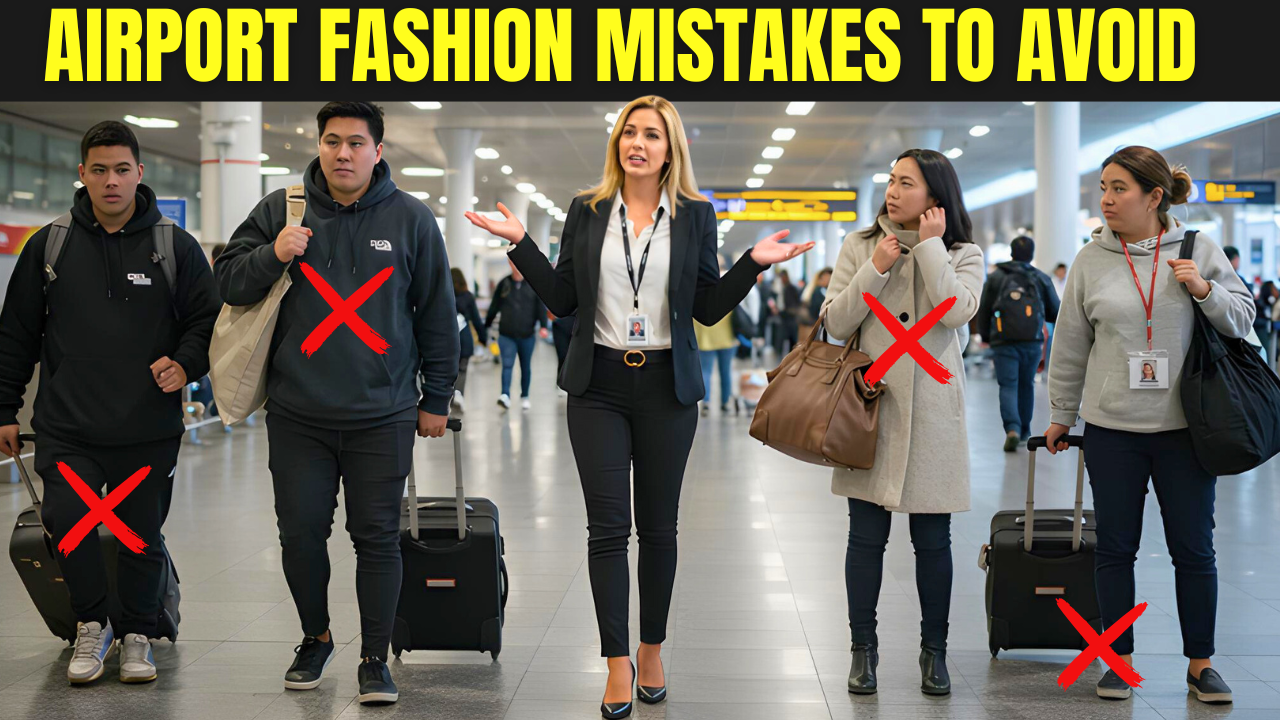

Listen—the airport started watching you long before you handed over your boarding pass. A 68-year-old traveler recently walked into a major hub, wearing an oversized jacket and looking slightly confused at the terminal map. Within minutes, he was pulled aside for a “random” secondary screening that lasted nearly an hour. His mistake? He had no idea about the invisible algorithms powering airport profiling seniors today.
After speaking with aviation security experts and analyzing hundreds of traveler reports, I uncovered the truth: Modern airports run on silent, continuous surveillance. What you wear, how you walk, and even how you handle your luggage feeds into systems designed to evaluate threats. I am breaking down the hidden ways you are being watched, so you can protect your privacy and your time.
Bonus Security Gap: Secondary TSA Screening Traps
When analyzing top competitor guides on airport profiling seniors, almost everyone misses the critical danger of secondary screening traps. If you trigger an automated alarm (even a false positive from a bulky sweater), the system logs your reaction. Older travelers who become visibly flustered or argumentative during a pat-down are mathematically more likely to be subjected to a full luggage search. The algorithm interprets stress as deception, turning a simple 2-minute delay into a 45-minute nightmare that can cause you to miss your flight.
Bonus Security Gap: Medical Equipment Profiling
Another massive blind spot in standard travel advice is medical equipment profiling. Scanners are highly sensitive to dense plastics and unusual wiring, meaning CPAP machines, portable oxygen concentrators, and even specialized joint braces frequently trigger the “anomaly” alert. To prevent the algorithm from profiling your medical necessity as a threat, always remove large electronics and medical devices from your bag and place them in their own dedicated screening bin. Providing clear visibility to the machine stops the profiling algorithm dead in its tracks.
Top Ways Airport Profiling Seniors Works
To survive modern air travel, you must understand the psychology and technology of the terminal. Here is exactly how the system evaluates older travelers, starting with the most common triggers.
12. The Gate Hesitation Flag
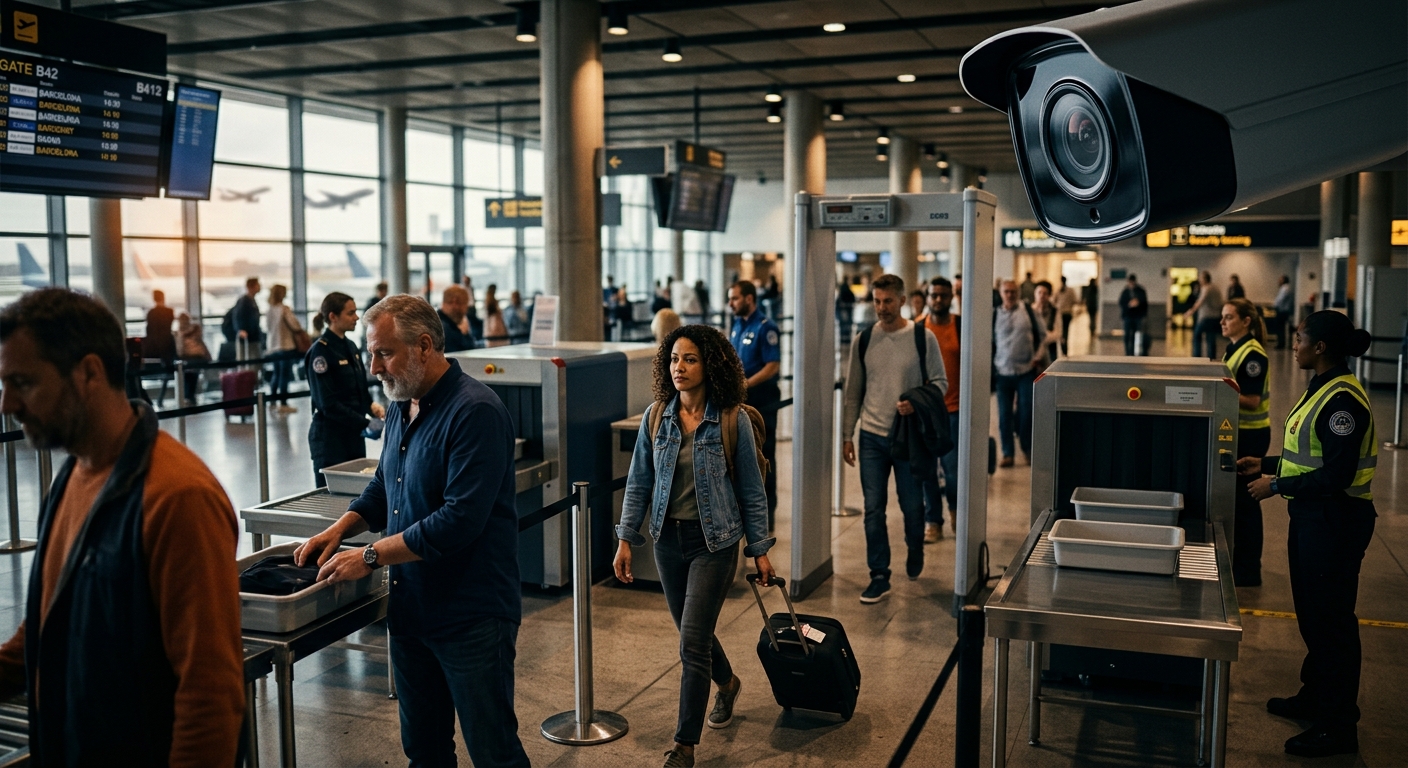
Security cameras equipped with advanced behavior analysis software are constantly scanning the crowds. If you stop frequently to check signs, look confused, or hesitate near security perimeters, the system flags you as a potential anomaly. While you might just be looking for your gate, the software interprets this as “casing” the environment. This is a primary component of airport profiling seniors.
Your action plan: Always review your terminal map on your phone before entering the airport. Walk with purpose and avoid stopping in high-traffic chokepoints.
11. Clothing Density Scanners
When you step into the body scanner, it doesn’t just look for metal. It reads the density of your clothing. Many older travelers prefer loose, layered clothing for comfort on cold planes. Unfortunately, oversized sweaters and heavy coats trigger automated alarms because the scanner cannot penetrate the thick folds of fabric, resulting in an immediate pat-down.
Pro Tip: Wear fitted, breathable layers through security. Pack your heavy sweaters neatly inside your hard-shell suitcase or carry-on, and put them on after you reach the gate.
10. Medical Device Misunderstandings
One of the most frustrating aspects of airport profiling seniors involves medical equipment. Pacemakers, CPAP machines, and joint replacements constantly trigger alarms. Security agents are trained to look for travelers who seem nervous about their medical gear, which ironically makes the screening process even more invasive.
Always keep your medical liquids organized in leak-proof travel bottles and have your documentation ready. Check out our related guide on TSA Medication Mistakes for a complete breakdown of what is allowed.
9. The Boarding Pass Printout Trap
In 2026, relying on paper boarding passes can actually work against you. Airlines and security teams monitor who uses digital apps versus paper. Travelers relying heavily on paper documents are sometimes profiled as being less tech-savvy, making them prime targets for “helpful” scammers in the terminal or aggressive upselling from airline agents at the desk.
8. Unorganized Electronics
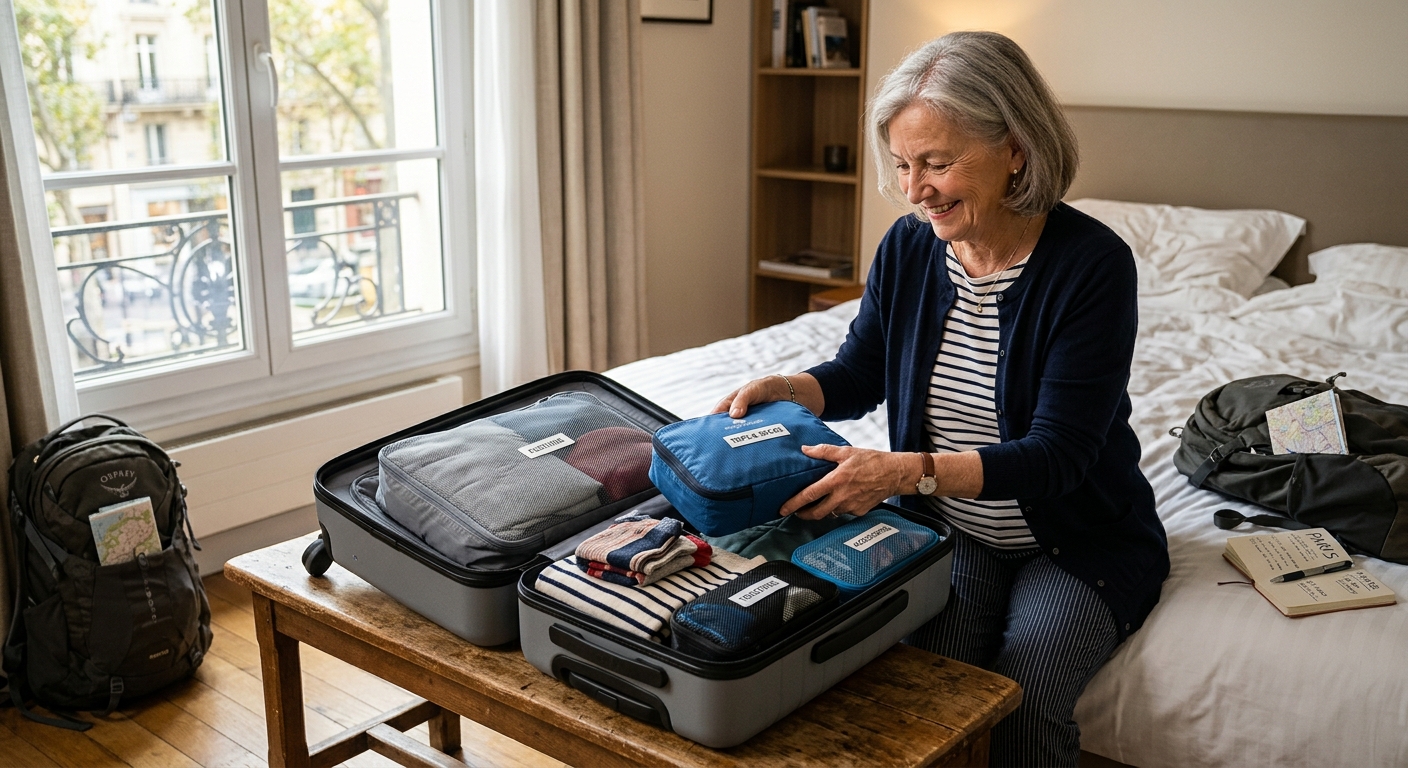
When your carry-on goes through the new 3D CT scanners, loose cables, tangled chargers, and random batteries look highly suspicious. The AI flags chaotic bags for manual search. By simply organizing your cords using packing cubes, you flatten the image on the scanner and glide right through.
7. Ticket Counter Upsells
Airline agents are trained to profile passengers who approach the ticket counter. If you look exhausted or overwhelmed, they will aggressively push paid upgrades, priority boarding, or expensive lounge access. This is a subtle but costly form of airport profiling seniors.
6. The “Overpacked” Target
Thieves and pickpockets profile passengers just as much as security does. If you are struggling with multiple heavy bags, a purse, and a coat, you are marked as distracted. Keep your valuables secure in an RFID-blocking wallet hidden close to your body.
5. The “Wandering Eye” at Customs
When returning from international trips, customs agents watch your eye movement. Looking around nervously or avoiding eye contact triggers secondary screening algorithms. Walk confidently, maintain a neutral expression, and look directly at the agent when answering questions. If you want to know more about international travel rules, review our New TSA Carry-On Rules guide.
4. Facial Recognition Opt-Outs
Many airports now use biometric facial recognition. While you have the legal right to opt out, doing so immediately flags you in the system for manual verification, which can take significantly longer. Understanding how this technology works is a key part of navigating airport profiling seniors.
3. The Lounge Lingerer
Spending excessive amounts of time lingering near premium lounges without entering can alert terminal security. They monitor for individuals who appear to be loitering in high-value areas. Always head to your gate or a designated seating area.
2. Security Line Chatting
Being overly talkative or making jokes with TSA agents is no longer advised. Behavior detection officers monitor the queue for individuals exhibiting forced casualness, which is considered a classic deception indicator. Stay silent, follow instructions, and move quickly.
1. The Luggage Tag Mistake
Writing your full home address and phone number on a bright, visible luggage tag is a massive security risk. “Shoulder surfers” at the check-in counter can easily read your details, knowing exactly where you live and that your house is currently empty. Use a smart luggage tracker and keep physical tags limited to your email address.
Final Thoughts on Navigating The Terminal
Understanding these silent surveillance tactics is the absolute best way to protect yourself from unnecessary delays, invasive searches, and missed flights. The airport is a highly surveyed environment. By packing cleanly, dressing neutrally, and knowing exactly how the algorithms profile passengers, you take back control of your travel experience. Stay alert and travel smart!