Table of Contents
Ever feel like you’re stuck in the worst seat on the plane while others enjoy comfort and space? Airlines aren’t always forthcoming about the best seating options, but mastering the seat selection game can dramatically improve your flight experience. This guide reveals The Secret Airplane Seat Trick, empowering you to choose the perfect seat every time. Avoid cramped legs, lost carry-ons, and uncomfortable journeys with these insider travel secret!
The short answer: The real secret isn’t one specific seat, it’s timing and strategy. Check in within the first 60 seconds of the 24-hour window, when airlines release their best remaining seats, then target rows 6 to 9 on narrowbody planes or the single center aisle seat on widebody aircraft for the sweet spot between legroom and comfort. Run your seat map through SeatGuru first to spot limited recline or extra noise, and if you end up in a window or middle seat, board early and politely ask to swap for an aisle seat once you’ve secured overhead bin space. That is the heart of the secret airplane seat trick.
The Last Row Death Trap: Why to Avoid It
Airlines often try to fill the last row, but these seats are notorious for discomfort. Limited recline can lead to back stiffness and discomfort on long flights. Plus, you’ll be near constant bathroom traffic. If you must sit in the back, choose an aisle seat in the second to last row to minimize the chaos. Don’t pay the same price for a significantly worse experience. Consider using a Travel Password Manager – NordPass to keep your booking information secure
The Exit Row Illusion: Extra Legroom Isn’t Always Better
Exit row seats are marketed as premium, but they come with drawbacks. You might be paying extra to perform duties in an emergency, essentially becoming an unpaid flight crew member. Underseat storage disappears, forcing you to store everything in the overhead bin, which might be full. Temperature can also be an issue due to poorly sealed exits. Always weigh the pros and cons before booking an exit row seat. For smooth travels, consider checking REAL ID Website to make sure you adhere to the rules.
Bulkhead Seats: A Double-Edged Sword
Bulkhead seats offer extra legroom but often come with compromises. The tray table folds out from the armrest, making it smaller and more awkward. The armrest doesn’t lift, resulting in a narrower space. Entertainment screens can be positioned at uncomfortable angles. However, if legroom is your top priority and you travel light, bulkhead seats might be worth considering. Before you fly, download the Long Haul Flight Checklist so you don’t forget anything at home.
The Middle Seat Nightmare (and When It’s Strategic)
Everyone dreads the middle seat. You’re fighting for armrest space, have minimal personal space, and constantly disturb others to access the aisle. Middle seat passengers also experience worse air circulation, increasing the risk of getting sick. There is one exception and something that changes everything! This is where airline secrets come in handy.
WILMA Boarding Trap: How Airlines Quietly Screw You
WILMA (Window, Middle, Aisle) boarding seems efficient, but it’s designed to push you towards expensive upgrades. Aisle seat passengers who prefer to board early and secure overhead bin space are now boarding last, facing potential gate checks. The workaround? Book a window or middle seat initially and then politely ask to switch with an aisle passenger once you’ve secured bin space.
Front vs. Back: Finding the Sweet Spot
First class isn’t the only way to enjoy a premium experience. Rows 6 to 9 on narrowbody aircraft offer an excellent balance. You’re close enough to the front for early boarding and quick deplaning but far enough back to avoid families with young children. The ride is also smoother in this zone. Avoid rows 10 to 15, which are often filled with problematic passengers. Don’t forget to renew Renew Passport Online ahead of time to prevent headaches.
The Ultimate Seat: The Single Center Aisle Seat
The single center aisle seat on widebody aircraft is a hidden gem. You get aisle access without constantly standing up for seatmates. The mid-cabin position offers optimal service and minimal turbulence. Set an alarm for 24 hours before your flight to grab this seat when online check-in opens. Also, make sure you’re aware of the new airline rules 2025 for smooth sailing.
SeatGuru Strategy: Beat Airline Recommendations
Airlines steer you towards seats that benefit them, not you. SeatGuru reveals the truth about seat drawbacks. Input your flight details to see color-coded warnings about seats with limited recline or extra noise. Screenshot the seat map before booking, as aircraft can change at the last minute. Do you need a Airport Security VPN – NordVPN?
Check-In Timing: The First 60 Seconds Are Key
Most travelers check in within the 24-hour window, but the pros act within the first 60 seconds. Airlines release their best remaining seats right at the 24-hour mark. Set multiple alarms and be ready to act fast. Joining an airline’s frequent flyer program (often free) can also give you priority access to better seats. Don’t get caught with your TSA carry-on rules, it’s a pain to lose your essentials.
When Paying for Upgrades Makes Sense
Sometimes, paying for a premium economy or preferred seat is worth it, especially on flights longer than four hours. Upgrades can save you days of recovery time from poor sleep and stiffness. Check upgrade prices when you book and then again 24 hours before departure for potential discounts! Check out more Best Travel Cards – DailyDrop so you have the right travel card to get those upgrades.
Conclusion: Master the The Secret Airplane Seat Trick
By using these strategies, you can transform your flying experience. Remember to research your aircraft, target the best seats, act fast during check-in, monitor for upgrade deals, and always have a backup plan. Unlock the airline seating secrets and enjoy a more comfortable and stress-free journey. Which of these seat secrets surprised you the most, and have you ever been stuck in one of these problem seats? Drop your worst airplane seat story in the comments!
For more on this, check out our guides to how to fly business class for less and the outfits that slow you down at security.
Frequently Asked Questions
What’s the single best trick for avoiding a bad airplane seat?
Check in within the first 60 seconds of the 24-hour check-in window. That is when airlines release their best remaining seats, and acting fast (with alarms set) beats waiting until later in the window.
Are exit row seats actually the best choice for extra legroom?
Not always. Exit row passengers may be asked to perform emergency duties, lose underseat storage, and can deal with temperature swings from poorly sealed exits. Weigh those trade-offs before paying extra for one.
What is the WILMA boarding trap, and how do you beat it?
WILMA (Window, Middle, Aisle) boarding order pushes aisle-seat passengers to board last, risking a gate check. The workaround is to book a window or middle seat, board early, secure overhead bin space, then politely ask to switch with an aisle passenger.
Which rows offer the best balance of comfort on a narrowbody plane?
Rows 6 to 9 tend to be the sweet spot: close enough to the front for early boarding and quick deplaning, far enough back to avoid families with young children, with a smoother ride than rows further aft. Rows 10 to 15 are best avoided.
Is it worth paying for a seat upgrade?
On flights longer than four hours, paying for premium economy or a preferred seat can be worth it, since it can save you days of recovery from poor sleep and stiffness. Check upgrade prices at booking and again 24 hours before departure, when discounts sometimes appear.
How can I check for bad seats before I book?
Use SeatGuru to see color-coded warnings about limited recline or extra noise for your specific aircraft, and screenshot the seat map before booking since airlines can swap aircraft at the last minute.
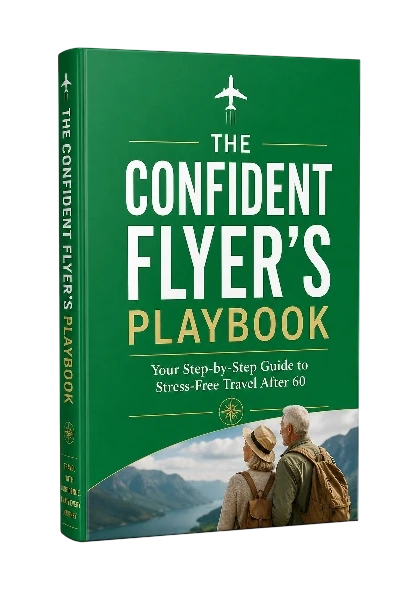
From the Passport Pro team
Want the complete flying system, not just one article?
The Confident Flyer’s Playbook: TSA walkthrough, senior-discount directory, packing systems and checkpoint scripts — built for travelers over 60.