
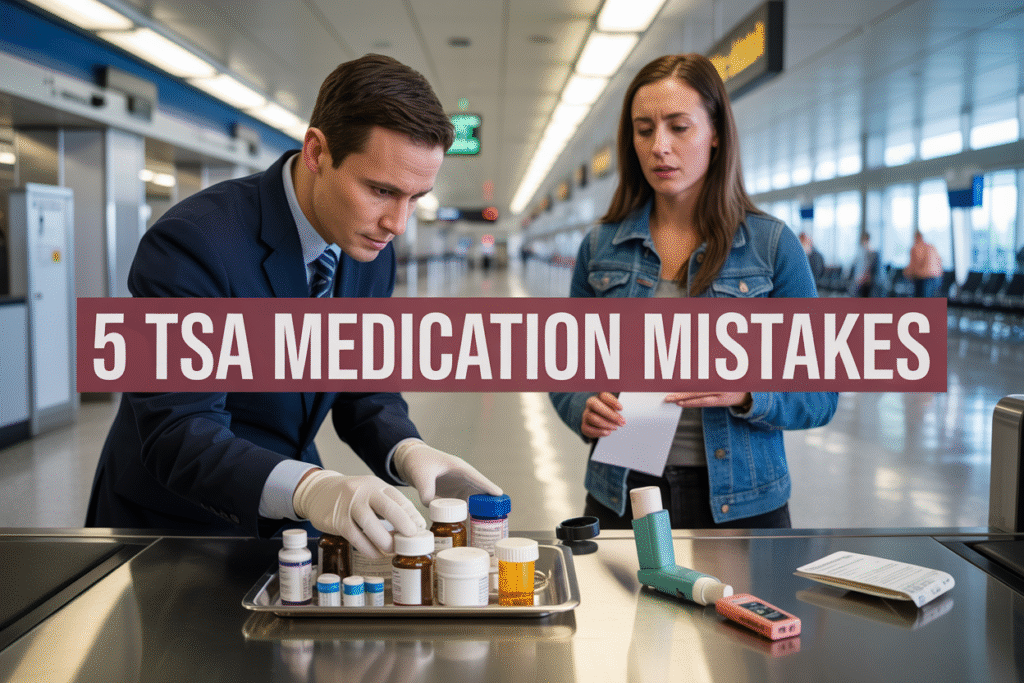
Bringing prescription medications through airport security doesn’t have to be stressful, but many travelers make simple TSA medication mistakes that can delay their trips or even prevent them from boarding their flights. This guide is for anyone who takes prescription drugs, uses medical equipment, or travels internationally with medications and wants to avoid common security checkpoint problems.
You’ll learn why packing medications in your carry-on bag instead of checked luggage can save your trip, and how proper documentation for your medications can speed up the screening process. We’ll also cover the specific rules for declaring medical equipment at TSA checkpoints and what you need to know about international medication transport requirements that differ from domestic travel rules.
These five mistakes are easily preventable once you know what TSA agents are looking for and how to prepare your medications for travel.
Failing to Research Prescription Medication Rules Before Travel
Understanding TSA Liquid Restrictions for Liquid Medications
Liquid medications get special treatment when going through airport security, but many travelers don’t realize the rules differ significantly from regular liquids. The standard 3-1-1 rule (3.4 ounces, 1 quart bag, 1 bag per passenger) doesn’t apply to medically necessary liquids.
You can bring liquid medications in quantities larger than 3.4 ounces in your carry-on bag. This includes prescription cough syrups, liquid antibiotics, insulin, and other essential liquid medicines. TSA agents will inspect these items separately from your other belongings, so pack them in easily accessible containers.
Key liquid medication guidelines:
- Remove liquid medications from your carry-on during screening
- Declare all liquid medications to TSA officers before screening begins
- Keep medications in original pharmacy containers when possible
- Separate liquid medications from gels and aerosols in different bins
- Allow extra time for additional screening procedures
Gel caps and pills don’t count as liquids, so normal capsules and tablets can stay with your regular items during screening. However, liquid-filled gel caps might receive extra scrutiny, especially if you’re carrying large quantities.
Knowing Which Medications Require Prescription Labels
Original prescription labels serve as your first line of defense when traveling with medications. TSA medication rules strongly recommend keeping all prescription drugs in their original pharmacy containers with legible labels showing your name, prescribing doctor, and pharmacy information.
Prescription labels help TSA agents quickly verify that medications belong to you and are legitimate. Without proper labeling, agents might need to conduct additional screening or potentially confiscate suspicious medications.
Essential label information:
- Patient name matching your ID
- Prescribing physician’s name
- Pharmacy name and contact information
- Medication name and dosage
- Prescription date and number
Over-the-counter medications don’t require original packaging, but keeping them in recognizable containers helps speed up the screening process. If you use pill organizers for daily medications, bring a backup supply in original containers for travel days.
Some travelers prefer to carry a medication list from their doctor alongside original containers. While not required domestically, this documentation becomes valuable for international travel or medical emergencies.
Identifying Controlled Substances That Need Special Documentation
Controlled substances face stricter regulations when traveling, and failing to follow proper procedures can result in serious legal consequences. The DEA classifies controlled substances into five schedules based on their potential for abuse and medical value.
Common controlled medications include:
| Schedule | Examples | Documentation Needed |
|---|---|---|
| II | Morphine, Adderall, Oxycodone | Prescription label + doctor’s letter |
| III | Tylenol with Codeine, Testosterone | Prescription label recommended |
| IV | Xanax, Ambien, Ativan | Prescription label |
| V | Cough syrups with codeine | Original packaging |
Schedule II controlled substances require the most documentation. Carry a letter from your prescribing physician explaining your medical need for these medications. The letter should include your diagnosis, prescribed dosage, and travel dates.
Never share controlled medications with other travelers or carry medications prescribed to someone else. TSA agents cross-reference prescription labels with passenger identification, and mismatches can trigger investigations.
Learning About Medication Quantity Limits for Carry-On Bags
TSA doesn’t impose specific quantity limits on prescription medications in carry-on bags, but you should only bring reasonable amounts for your trip duration plus a few extra days. Carrying excessive quantities without proper justification might raise red flags during security screening.
Recommended quantities:
- Bring enough medication for your entire trip plus 3-5 extra days
- For trips longer than 30 days, consider carrying a doctor’s letter explaining extended travel
- Split medications between carry-on and checked luggage for backup (keep most in carry-on)
- Carry original pharmacy containers whenever possible
Some medications have additional considerations. Liquid medications over 3.4 ounces need declaration and separate screening. Large quantities of the same medication might prompt questions about distribution or resale.
International destinations often have stricter quantity limits than domestic travel. Research destination country regulations before packing, as some nations limit medication imports to 30-90 day supplies regardless of trip length.
Keep receipts from your pharmacy as additional proof of legitimate medication purchases. These documents support your case if questions arise about medication quantities or authenticity during screening.
Packing Medications in Checked Luggage Instead of Carry-On
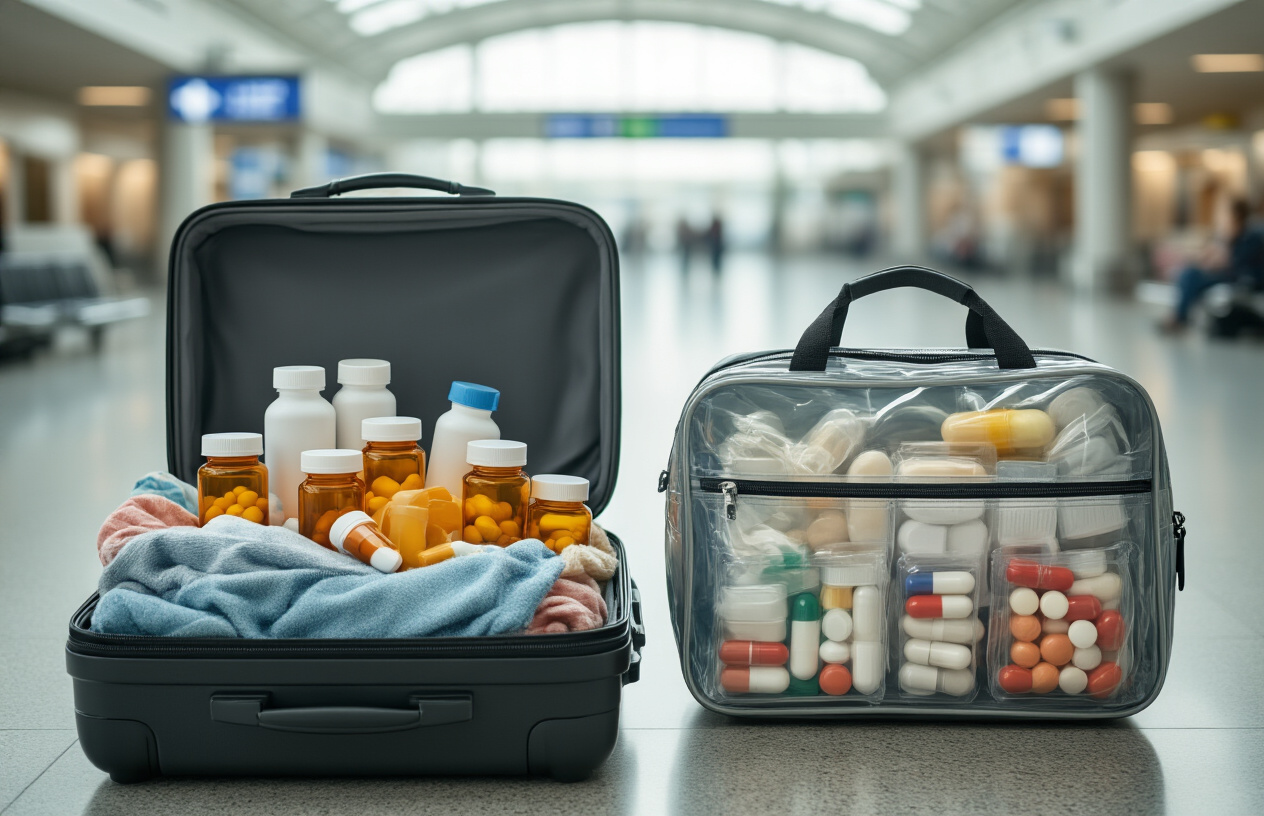
Avoiding lost luggage disasters that leave you without essential medications
Checked bags go missing more often than you’d think. Airlines lose approximately 7 out of every 1,000 bags, and that number jumps during busy travel seasons. When your prescription medications disappear with your luggage, you’re left scrambling to find replacements in an unfamiliar location.
Imagine landing in Paris for your dream vacation only to discover your blood pressure medication, insulin, or heart pills are somewhere in transit. Getting prescription refills abroad becomes a nightmare involving foreign pharmacies, language barriers, and international prescription requirements. Some countries won’t honor American prescriptions at all, forcing you to visit local doctors and navigate complex medical systems.
The TSA carry-on medication rules specifically allow you to bring prescription drugs in your carry-on bag for this exact reason. You can pack more than the typical 3-1-1 liquid rule allows when it comes to essential medications. Liquid medications, including insulin and other injectables, can exceed 3.4 ounces in your carry-on as long as you declare them at security.
Smart travelers pack all essential medications in their carry-on bags, plus bring extra supplies in case of unexpected delays. Pack at least three extra days’ worth of medication beyond your planned trip duration. This buffer protects you against flight cancellations, missed connections, and other travel disruptions that could extend your time away from home.
Preventing temperature damage to sensitive medications in cargo holds
Cargo holds expose your medications to extreme temperatures that can destroy their effectiveness. Temperatures in airplane cargo areas can drop as low as -40°F during flight and spike above 100°F while planes sit on hot tarmacs. These temperature swings wreak havoc on temperature-sensitive medications.
Insulin becomes completely useless when frozen, and many biologics lose potency when exposed to heat. Blood pressure medications, antibiotics, and heart medications can also degrade under extreme temperature conditions. Once damaged by temperature exposure, these medications may appear normal but provide little to no therapeutic benefit.
The cabin where you sit maintains comfortable temperatures throughout the flight, making your carry-on the safest place for all medications. Even pills that seem sturdy can suffer from temperature extremes in cargo holds. Gel caps melt in high heat, tablets can crack in freezing temperatures, and liquid medications may separate or crystallize.
Travel with medications requires extra planning for temperature-sensitive drugs. Insulin users should never pack their supplies in checked luggage, and the same rule applies to other biologics, liquid medications, and any prescription labeled with storage temperature requirements.
Ensuring immediate access to emergency medications during flight delays
Flight delays and cancellations happen without warning, and you might need your medications while stuck at the airport or during extended travel days. Emergency medications like rescue inhalers, nitroglycerin, and anxiety medications need to stay within arm’s reach at all times.
Airport medical facilities can’t dispense prescription medications, and finding a 24-hour pharmacy during unexpected layovers proves challenging in many cities. When your flight gets delayed for 12 hours and your medication schedule gets disrupted, having everything in your carry-on becomes a lifesaver.
Long flights require medication timing that doesn’t align with your home schedule. International flights crossing multiple time zones make medication timing even more complex. Keep all your medications in your carry-on so you can maintain your dosing schedule regardless of delays or time zone changes.
Emergency situations during flights also require immediate access to certain medications. Flight attendants can’t retrieve items from cargo holds during flight, so any medication you might need for altitude-related issues, motion sickness, or medical emergencies must stay in the cabin with you.
Forgetting to Bring Proper Documentation for Your Medications
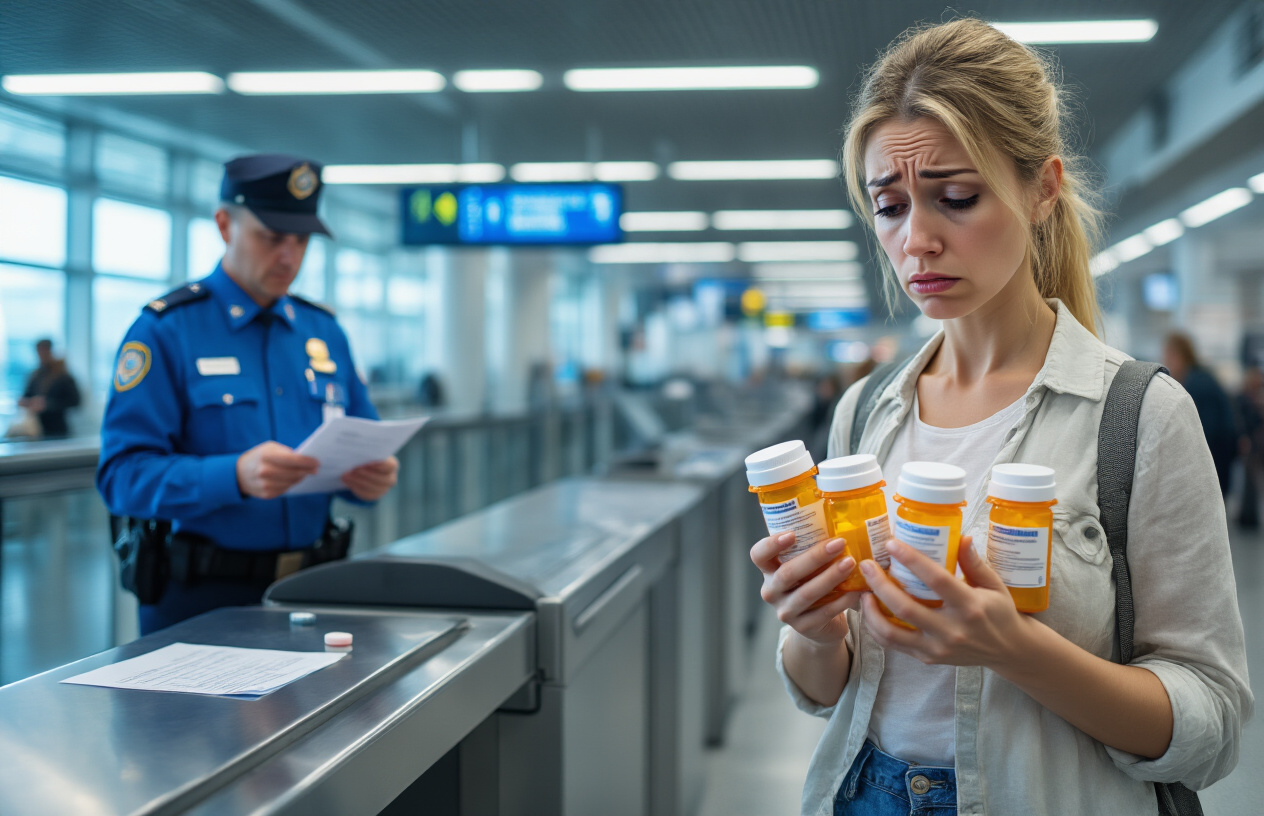
Carrying Original Prescription Bottles with Current Pharmacy Labels
TSA medication rules require prescription medications to remain in their original pharmacy containers whenever possible. These bottles contain critical information that TSA agents need to verify, including your name, prescribing physician, medication name, dosage, and pharmacy details. The pharmacy label serves as your first line of defense against potential screening delays or confiscation.
Many travelers make the mistake of transferring pills into weekly pill organizers or unmarked containers to save space. While this might seem practical, it can create significant problems at security checkpoints. TSA agents cannot verify the legitimacy of unmarked medications, which may result in additional screening, delays, or even disposal of your medications.
Keep prescription bottles in your carry-on luggage where they’re easily accessible during screening. If space is a concern, ask your pharmacist for smaller bottles or consider bringing only the amount you need for your trip plus a few extra days’ supply. Some pharmacies will provide travel-sized containers with proper labeling upon request.
Obtaining Doctor’s Notes for Large Quantities or Unusual Medications
Traveling with prescription drugs becomes more complex when you’re carrying large quantities or medications that might raise questions. A doctor’s note explaining your medical condition and medication requirements can prevent misunderstandings and expedite the screening process.
Large quantities of medication often trigger additional scrutiny from TSA agents. If you’re traveling for an extended period or carrying backup supplies, a physician’s letter detailing why you need these amounts can be invaluable. The letter should include your diagnosis, prescribed dosages, and the medical necessity for the quantity you’re carrying.
Unusual medications, particularly those in liquid form or with uncommon names, benefit from professional documentation. Specialty medications for rare conditions, compounded prescriptions, or medications with similar names to controlled substances should be accompanied by clear medical documentation explaining their purpose and legitimacy.
Preparing Medical Device Documentation for Insulin Pumps and Nebulizers
Medical devices require special consideration during TSA medical equipment screening. Insulin pumps, nebulizers, and other therapeutic devices need proper documentation to ensure smooth passage through security checkpoints. Device manufacturers often provide TSA notification cards or travel letters specifically for airport security purposes.
Insulin pump users should carry documentation that includes device specifications, medication information, and contact details for their healthcare provider. These devices cannot go through X-ray machines, so having proper documentation helps TSA agents understand the screening alternatives needed.
Nebulizers and related medications require careful documentation of both the device and the solutions used. Carry prescriptions for nebulizer medications, as these liquids exceed the standard 3-1-1 liquid restrictions but are permitted when medically necessary and properly documented.
Creating Medication Lists with Generic and Brand Names
A comprehensive medication list serves as backup documentation and helps clarify any confusion about your prescriptions. Include both generic and brand names for each medication, as TSA agents and international customs officials may be more familiar with one name over another.
Your medication list should include dosages, frequency of administration, and the prescribing physician’s contact information. This becomes particularly valuable if you lose prescription bottles or need to replace medications during travel. Many travelers store digital copies on their phones and carry printed versions as backups.
Update your medication list before each trip, ensuring all information remains current. Include over-the-counter medications and supplements you take regularly, as these can sometimes interact with screening equipment or raise questions during international travel.
Securing Travel Letters for Controlled Substances
Controlled substances require the highest level of documentation due to their potential for abuse and strict legal regulations. Schedule II medications like certain pain medications, ADHD treatments, and anxiety medications need comprehensive medical documentation for both domestic and international travel.
Your physician should provide a detailed travel letter explaining your medical condition, the necessity of the controlled substance, and confirmation that you’re under ongoing medical supervision. Include contact information for your prescribing physician and pharmacy in case verification is needed.
Research destination country regulations for controlled substances, as some medications legal in the United States may be prohibited elsewhere. Some countries require advance approval or special permits for controlled substances, making proper documentation and advance planning essential for international medication transport.
Neglecting to Declare Special Medical Equipment at Security Checkpoints

Properly announcing insulin and diabetes supplies to TSA agents
Diabetes supplies require special handling at TSA security checkpoints, and failing to communicate your needs upfront can create unnecessary delays and stress. TSA medical equipment screening allows diabetic travelers to bring unlimited amounts of insulin, blood glucose testing supplies, and related medications in their carry-on bags without adhering to the standard 3-1-1 liquid rule.
When approaching security, verbally inform the TSA agent that you’re carrying diabetes supplies. This simple announcement helps agents understand what they’ll see in your bag and prevents confusion during screening. Your supplies don’t need to fit in a quart-sized bag like regular liquids, but keeping them organized in a separate clear bag makes the process smoother.
Insulin pens, vials, and cartridges can stay in your carry-on during X-ray screening. However, you have the right to request visual inspection instead of X-ray screening if you’re concerned about potential effects on your medication. Blood glucose meters, test strips, lancets, and continuous glucose monitors are also permitted and typically don’t require removal from your bag.
Always carry prescriptions or doctor’s letters for your diabetes supplies, especially if you’re traveling internationally. While TSA agents are trained to recognize common diabetes equipment, having documentation eliminates any potential questions about unfamiliar devices or large quantities of supplies.
Requesting manual inspection for temperature-sensitive medications
Many medications lose their effectiveness when exposed to X-ray machines or extreme temperatures, making manual inspection a critical option for medical travelers. Temperature-sensitive medications like certain antibiotics, hormones, biologics, and liquid medications benefit from visual inspection rather than X-ray screening.
You can request manual inspection for any medication at any time during the screening process. This right extends to prescription medications, over-the-counter drugs, and medical supplies. TSA agents must accommodate this request, though they may ask additional questions about the medication’s purpose and contents.
The manual inspection process involves TSA agents examining your medications visually and potentially testing them for explosive materials using specialized equipment. This testing doesn’t contaminate or damage properly sealed medications. Keep medications in their original pharmacy containers with labels intact to expedite this process.
Plan extra time for manual inspections, especially during busy travel periods. While TSA aims to complete these inspections quickly, the process naturally takes longer than standard X-ray screening. Arriving at the airport with additional buffer time prevents missed flights due to extended security procedures.
Understanding X-ray exemptions for certain medical devices
Certain medical devices require special handling or complete exemption from standard X-ray screening procedures due to their sensitive components or potential safety concerns. Pacemakers, insulin pumps, and other implanted medical devices should never go through traditional metal detectors or full-body scanners.
If you have an implanted medical device, inform TSA agents before screening begins. You’ll receive alternative screening methods, typically involving a thorough pat-down and explosive trace detection testing. Carry documentation from your doctor describing your device and any screening limitations to help agents understand your needs.
Portable medical devices like CPAP machines, nebulizers, and portable oxygen concentrators can typically go through X-ray machines but may require additional screening. These devices count as medically necessary items and don’t count toward your carry-on bag limit. Remove them from their cases and place them in separate bins for X-ray screening unless they’re too large for the machine.
External medical devices like hearing aids, glucose monitors attached to your body, and medication pumps can usually remain on your person during screening. However, inform agents about these devices beforehand to avoid complications during the security process. Some sensitive electronic medical equipment may require hand-wand screening instead of walking through metal detectors.
Medical device manufacturers often provide TSA-specific travel cards or documentation explaining their products. Keep these cards with your travel documents to help security personnel understand unfamiliar equipment quickly and accurately.
Making Critical Mistakes with International Medication Transport
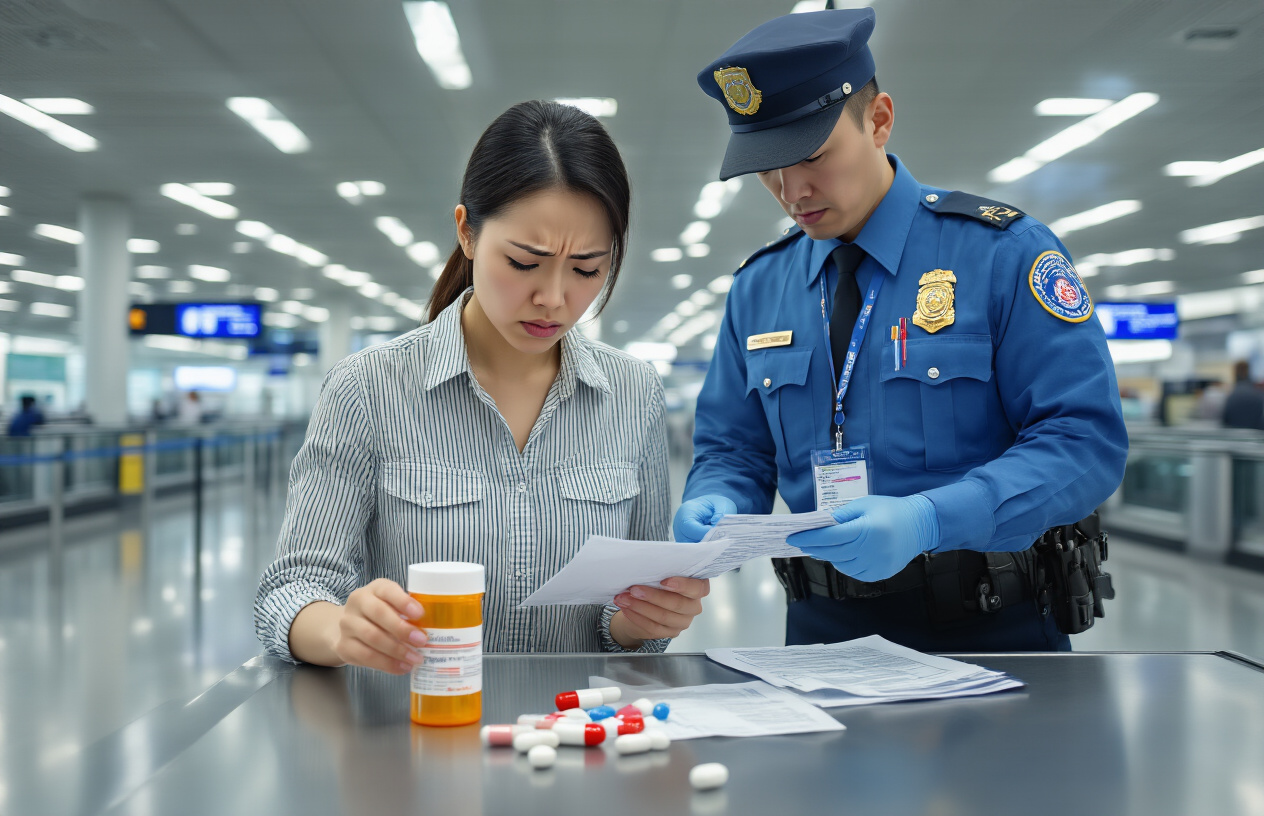
Researching destination country medication restrictions and banned substances
Many travelers assume that TSA medication rules apply worldwide, but this couldn’t be further from the truth. Each country maintains its own list of prohibited medications and controlled substances, and what’s perfectly legal in the United States might land you in serious legal trouble abroad.
Start your research at least 6-8 weeks before departure by checking the destination country’s embassy website or contacting their consulate directly. Countries like Japan, Singapore, and the UAE have particularly strict medication laws. For example, common ADHD medications containing amphetamines are completely banned in Japan, while certain pain medications legal in the US are classified as narcotics in other countries.
Create a comprehensive list of all your medications, including:
- Generic and brand names
- Active ingredients
- Dosages
- Prescribing physician information
Cross-reference this list against the destination country’s prohibited substance database. Many countries provide online resources or official documentation outlining restricted medications. The DEA’s Office of Diversion Control also maintains helpful resources for international medication transport.
Calculating appropriate medication quantities for extended trips
Determining the right amount of medication to bring requires careful planning that goes beyond simple math. The standard recommendation is to pack at least 30% more medication than you’ll actually need during your trip, but international travel demands even more strategic thinking.
Consider these factors when calculating quantities:
- Trip duration plus potential delays
- Time zone changes affecting medication schedules
- Difficulty accessing specific medications in your destination
- Insurance coverage limitations for early refills
For prescription medications, bring enough to last your entire trip plus an additional week’s supply. If you’re traveling for more than 30 days, you’ll likely need documentation explaining the medical necessity for larger quantities. Some travelers split their medication supply, keeping the majority in carry-on luggage and a smaller backup amount in checked bags.
Travel insurance often covers emergency medication needs, but policies vary significantly in their coverage of prescription drugs abroad. Review your policy details and understand what documentation you’ll need to file claims for medication-related expenses.
Obtaining necessary permits for controlled substances in foreign countries
Controlled substances require special permits in most countries, and this process can take several weeks or even months to complete. Schedule II through IV drugs in the US classification system typically need advance approval from destination country authorities.
The process usually involves:
- Completing official permit applications
- Providing medical records and physician letters
- Submitting prescription documentation
- Paying processing fees
- Allowing 4-8 weeks for approval
Some countries require permits even for small quantities of common medications like sleeping pills or anxiety medications. The Netherlands, for instance, requires permits for any medication containing controlled substances, regardless of quantity. Australia demands permits for medications containing codeine, even in small amounts.
Contact the destination country’s health ministry or drug control agency directly. Many countries provide online application portals, while others require paper submissions through their embassies. Keep copies of all permit documents and carry them separately from your medications.
Preparing backup plans for medication refills while abroad
Even the best planning can’t prevent every emergency. Lost luggage, stolen medications, or extended trips all create situations where you might need prescription refills in a foreign country. Having a solid backup plan protects your health and prevents trip disruptions.
Before traveling, research pharmacies and medical facilities at your destination. International hotel chains often maintain lists of English-speaking pharmacies and doctors. Major cities typically have international pharmacies that stock common Western medications, though brand names and formulations may differ.
Establish communication with your home pharmacy and doctor before leaving. Many pharmacies can coordinate with international partners to facilitate emergency refills, though this service often comes with additional costs. Telemedicine consultations have become increasingly accepted for prescription renewals, making it easier to get new prescriptions while abroad.
Consider travel insurance that specifically covers prescription medication emergencies. Some policies will cover the cost of emergency refills, expedited shipping of medications from home, or even emergency medical evacuation if your condition requires immediate treatment unavailable at your destination.
Keep digital copies of all prescriptions, medical records, and insurance information in cloud storage accessible from any device. This documentation proves invaluable when dealing with foreign healthcare systems or insurance claims later.

These five medication mistakes can turn what should be a smooth travel experience into a stressful nightmare. From researching prescription rules beforehand to keeping your medications in your carry-on bag, each step plays a crucial role in avoiding delays, confiscations, or even legal troubles at security checkpoints. Don’t forget that proper documentation and declaring medical equipment upfront can save you hours of hassle and potential missed flights.
Before your next trip, take a few minutes to review these guidelines and prepare your medications properly. Your future self will thank you when you breeze through security without any issues. Remember, a little preparation goes a long way in making sure your medications travel as smoothly as you do.